18 Oct 2026
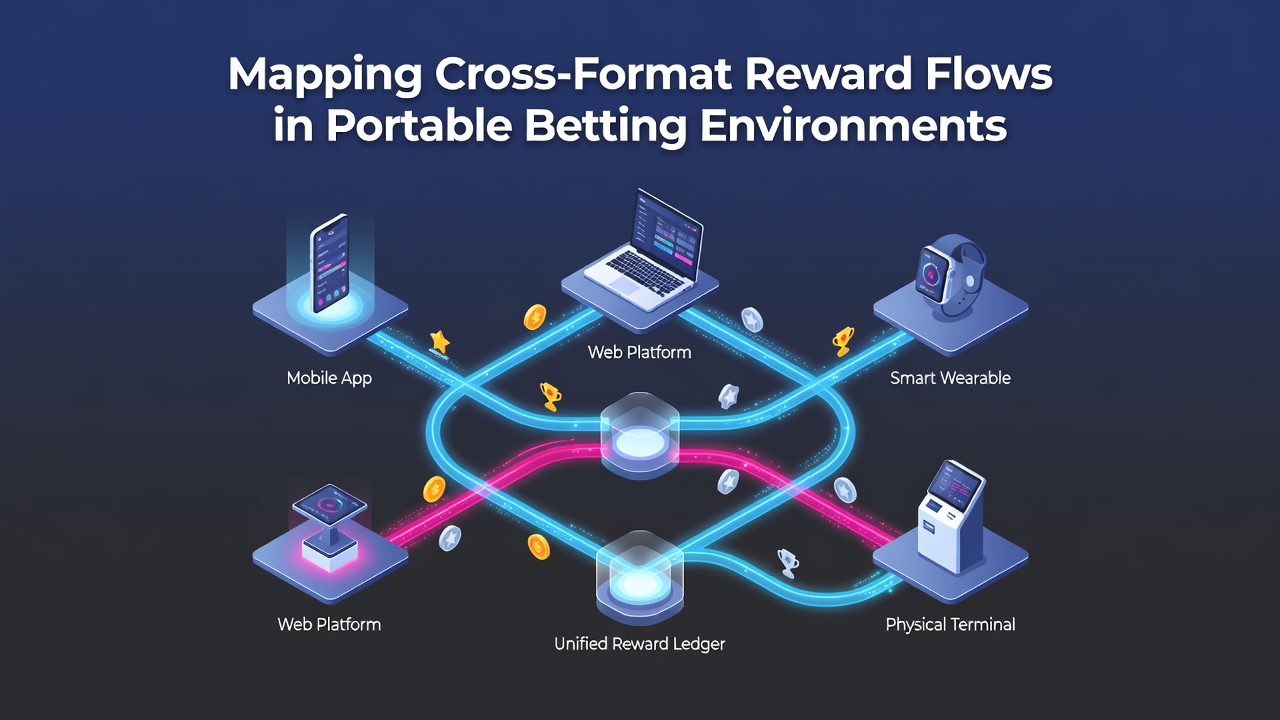 Portable betting environments have expanded to include multiple game types within single applications, and operators now track how rewards move between slots, sports wagers, and table games on handheld devices. Data from state regulators shows that integrated loyalty programs recorded higher user retention rates during the first three quarters of 2026, with cross-format transfers contributing to sustained activity levels across platforms. Operators map these flows by assigning point values that convert across game categories. A player earning comp points from video slots can apply those points toward sports betting odds boosts or live dealer table minimums, and the process relies on backend systems that log each transaction in real time. Industry reports indicate that such conversions accounted for 28 percent of total loyalty redemptions in several U.S. markets by September 2026.
Core Mechanisms of Reward Allocation
Systems assign base points according to wager volume while applying multipliers that differ by format. Slot play typically generates points at a fixed rate per dollar wagered, whereas sports betting points accrue based on both stake size and outcome. Live dealer sessions add separate bonuses tied to session length. These rules combine within a single player account, allowing points accumulated in one area to influence options in another without requiring separate logins or transfers.
Platform providers update mapping algorithms quarterly to reflect regulatory changes and user behavior patterns. In October 2026 several operators adjusted conversion ratios after reviewing activity data from the prior month, which showed increased movement from mobile slots into in-play sports markets. The adjustments maintained parity between formats while complying with state-specific rules on promotional value.
Regional Implementation Patterns
States with established mobile betting frameworks, including New Jersey and Pennsylvania, publish monthly summaries that separate revenue by game type yet aggregate loyalty metrics across categories. Figures released by the New Jersey Division of Gaming Enforcement for August 2026 listed combined mobile loyalty redemptions exceeding $14 million, with 41 percent of those redemptions involving at least two distinct game formats.
Canadian provinces such as Ontario track similar data through the Alcohol and Gaming Commission of Ontario, and recent summaries noted parallel growth in cross-format redemptions on regulated apps. Australian state regulators have begun publishing comparable statistics, revealing that point transfers between digital slots and racing wagers increased 19 percent year-over-year through mid-2026.
Data Infrastructure Supporting Flow Mapping
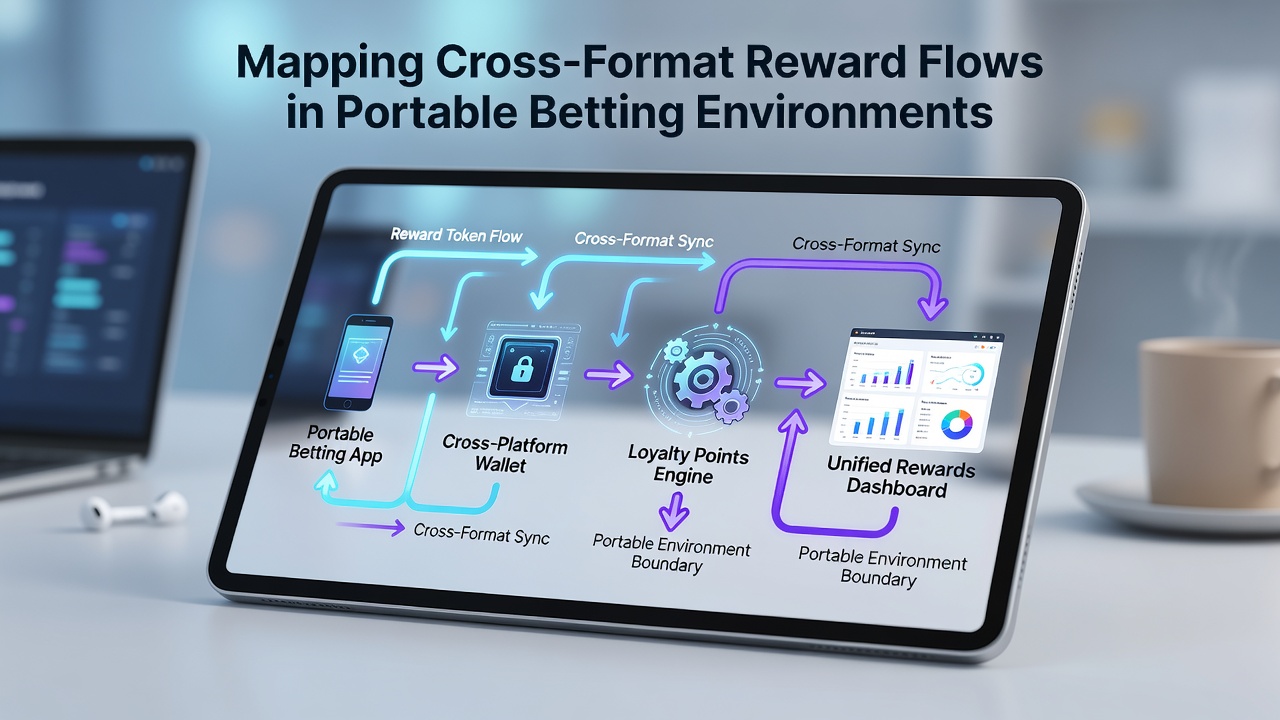
Real-time dashboards aggregate transaction logs from multiple game servers into unified player profiles. Each entry records the source format, point value, conversion destination, and timestamp. Developers use these records to generate heat maps that highlight which format pairs produce the highest transfer volumes. One study from the University of Nevada, Reno examined six months of anonymized data and found that slot-to-sports conversions peaked during evening hours in Eastern Time zones, while sports-to-live-dealer transfers occurred more evenly throughout the day.
Security protocols require encryption of all point ledgers and regular audits by independent testing labs. These measures ensure that mapped flows remain accurate and that no unauthorized alterations occur during transfers. Compliance teams review exception reports daily to identify any discrepancies exceeding established thresholds.
Future Adjustments and Regulatory Oversight
Regulators continue to examine whether current mapping practices align with responsible gaming standards. Several jurisdictions now require operators to disclose conversion rates to players before any transfer occurs. Updated guidelines issued in late 2026 emphasize transparency around how points retain or lose value when moving between formats.
Conclusion
Mapping cross-format reward flows has become a standard operational requirement in portable betting environments. Data collected through integrated systems provides operators and regulators with detailed visibility into how players move value across slots, sports, and live dealer offerings. Continued refinement of these mapping processes supports compliance efforts while reflecting actual usage patterns observed in regulated markets through October 2026.